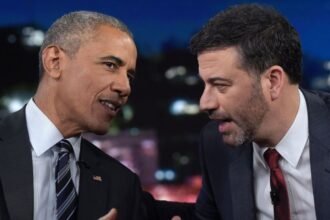

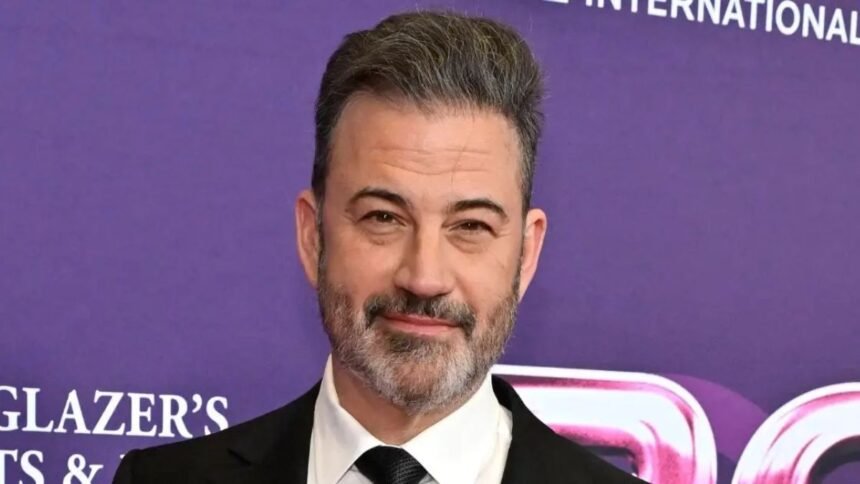
On Wednesday, ABC announced it was suspending Jimmy Kimmel Live indefinitely. The reason? A comment Kimmel made during a monologue about the political reaction to Charlie Kirk’s death.
Predictably, some Republican voices were thrilled. They framed the suspension as a win against “cancel culture.” One post on X read, “Kimmel can say what he wants, just not on ABC.” But that misses the bigger issue entirely.
Jimmy Kimmel does have Free Speech, he is free to speak just not on ABC
— Terrence K. Williams (@w_terrence) September 18, 2025
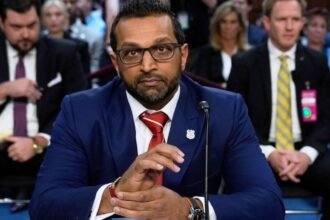
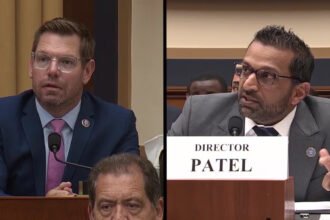
This wasn’t just a network decision. It was the result of a direct threat from Brendan Carr, the Trump-appointed Chair of the FCC. He used his position to pressure Disney and its affiliates. And he did it by targeting the licenses of the local TV stations that carry ABC content.
Carr has used this tactic before. He recently applied similar pressure to Paramount. It’s a calculated strategy. When government officials start using regulatory power to silence comedians, we’re no longer talking about cancel culture. We’re talking about censorship.
So what did Kimmel actually say?
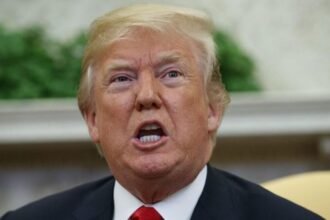
On Monday night, he took aim at right-wing figures for how they reacted to Kirk’s death. He joked that the MAGA crowd was trying to paint the accused killer as someone outside their camp. Then he played a clip of Trump bragging about a new White House ballroom during his remarks on Kirk. Kimmel quipped that Trump had entered the “fourth stage of grief: construction.”
That was it. A monologue. A joke. Not exactly groundbreaking stuff.
But Carr claimed the segment crossed a line. He said it suggested Tyler Robinson, the man charged with killing Kirk, was part of the MAGA movement. At the time, details were still unclear. The indictment said Robinson believed Kirk was spreading hate. But it wasn’t evidence of political affiliation — just speculation.
Carr didn’t hold back during a follow-up interview. Speaking with conservative host Benny Johnson, he labeled Kimmel’s comments “sick” and claimed they could have legal consequences.
He reminded viewers that broadcasters need an FCC license. Then he issued a clear warning: networks could either handle this “the easy way or the hard way.” That’s not oversight. That’s intimidation.
Carr pushed further, explaining that most broadcast licenses are held by individual local stations, not Disney or ABC itself. These stations air content from ABC, but they’re the ones exposed to FCC enforcement.
He suggested that these stations should stop airing Kimmel’s show altogether. Otherwise, they might face fines or even lose their licenses. That’s a powerful threat, and he knew exactly what he was doing.
Here’s the problem. The FCC has never treated “partisan programming” as a violation of public interest. If that were the case, Fox News would’ve been off the air a long time ago.
Carr cited rules against “news distortion” and “broadcast hoaxes.” But Kimmel is a late-night comedian, not a news anchor. And none of these claims hold up under the actual standards for pulling a license.
Historically, it takes extreme misconduct for the FCC to revoke a license. One rare case was in 1989 when a Mississippi station lost its license after years of promoting segregation and blocking civil rights coverage. That’s a far cry from a sarcastic monologue.
Some liberal critics have also called for FCC action against right-wing media. But even then, the agency never pulled a license. In fact, Carr himself once opposed a push to restrict e-cigarette ads, arguing the FCC shouldn’t be in the business of policing speech.
Now he’s doing exactly that.
His message was crystal clear: stop airing Kimmel, or pay the price. And major station owners got the message. Nexstar, which owns around 200 local stations, quickly dropped the show. So did Sinclair, another major player.
Why so eager to comply? These companies have their own business interests. Nexstar is trying to get a $6.2 billion merger approved. They need the FCC’s support. Keeping Carr happy makes financial sense.
We’ve seen this play before. Carr slow-walked a Paramount merger until CBS, a subsidiary, settled a baseless lawsuit linked to Trump. That deal only went through after Skydance, the acquiring company, promised to promote political “diversity” and hire an ombudsman to review complaints about bias.
Soon after, CBS canceled Stephen Colbert’s show. Officially it was a budget cut, but many saw it as a political move. Carr praised that decision.
Back to Disney. After seeing Nexstar and Sinclair fold, the pressure landed squarely on ABC. They pulled Kimmel from the air. But according to Rolling Stone, insiders say the company didn’t believe Kimmel crossed a line. They were just terrified of retaliation.
One executive reportedly said they were “pissing themselves” over the potential fallout from the Trump administration.
Disney has other reasons to play it safe. Beyond FCC licenses, they’re working on a high-stakes deal with the NFL — one that could shape the future of ESPN. That deal requires approval from the Department of Justice.
To make matters worse, Trump hinted this week that the DOJ might investigate ABC for “hate” offenses. His Attorney General, Pam Bondi, just announced a crackdown on so-called hate speech following Kirk’s death.
That’s the environment we’re in now. The government is using its power to silence speech it doesn’t like. And when private companies cave, it only makes things worse.
Let’s be clear. The First Amendment protects people from government interference in speech. Carr is free to dislike Kimmel’s jokes. He can call them tasteless or offensive.
What he can’t do is threaten to punish broadcasters unless they take action. That crosses a line.
Even the current conservative-leaning Supreme Court said so. In last year’s NRA v. Vullo decision, the Court ruled that government officials can’t use the threat of legal action to silence speech they dislike. That holds true even if they act through third parties.
Carr’s threats violate that principle. Plain and simple.
Sure, Disney could’ve stood up to him. CEO Bob Iger and other top executives had the option to push back — publicly or in court. But instead, they took the safer path. They folded.
That doesn’t let them off the hook. But the root of this story is still Carr’s abuse of power. This wasn’t a business making a content decision. It was the government leaning on private networks to silence a comedian.
This wasn’t “cancel culture.” It was state censorship.
And Carr isn’t hiding it. When asked for comment, he replied with a grinning emoji. He also thanked Nexstar on X for “doing the right thing.” Benny Johnson bragged that he “ended Jimmy Kimmel’s career” by hosting Carr on his show.
Will Kimmel return? It’s too soon to say. But the message from the Trump administration is loud and clear.
Free speech isn’t safe — not if the government decides your jokes are a problem.