

A federal crackdown launched under former President Donald Trump’s name is facing growing judicial scrutiny as a wave of federal cases tied to his D.C. crime surge begin to unravel. Judges are now openly criticizing prosecutors for what they describe as a pattern of premature charges, weak evidence, and unnecessary detentions.
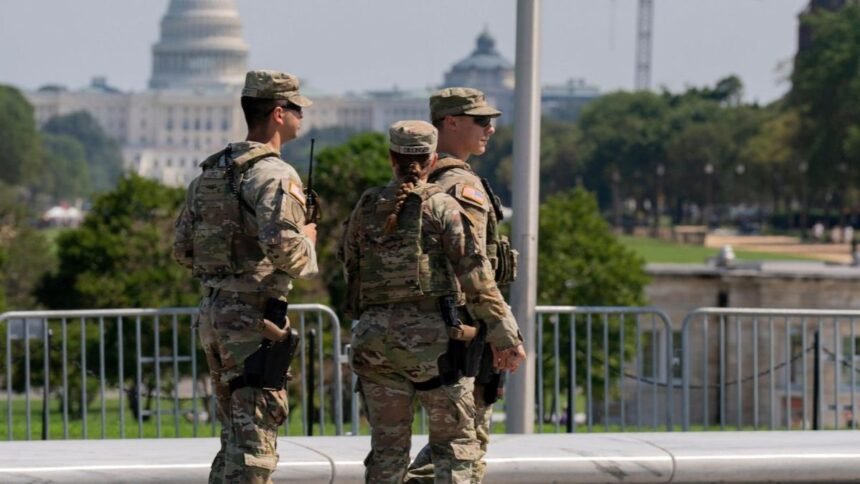
The operation, which began on August 7, brought in federal agents and National Guard troops to assist local authorities in an aggressive response to rising crime. Over 2,000 arrests were made during the 30-day initiative. While that number generated strong headlines, the courtroom reality tells a different story.
More than 50 defendants were charged in federal court as part of the surge. But already, nearly a dozen of those cases have been quietly dropped by prosecutors. In many instances, defendants spent days in jail before charges were dismissed or downgraded to minor offenses in local court.
On Tuesday, U.S. Magistrate Judge Matthew Sharbaugh dismissed two felony assault cases at the prosecution’s request. From the bench, he delivered a pointed warning. He noted that this was not an isolated issue but a trend that now demands serious attention from the court.
“This is becoming a real concern,” Sharbaugh stated, citing the time, resources, and liberty at stake in each federal case.
One dismissed case involved a man accused of spitting on two National Guard members near Union Station. Federal prosecutors dropped the felony charges and filed a reduced misdemeanor case in D.C. Superior Court. In the second case, a defendant allegedly assaulted a federal agent during a street altercation. That case was dropped entirely, leaving the accused with no charges after spending five nights in jail with a broken arm reportedly sustained during arrest.
The dismissals have ignited tension between the judiciary and the U.S. Attorney’s Office, currently led by Jeanine Pirro. A former television host and Trump appointee, Pirro has positioned the surge as a necessary response to lawlessness in the capital. Her office has filed over 1,700 cases tied to the operation.
In a public statement, a spokesperson for Pirro defended the case evaluations, saying each charge is reviewed thoroughly and dismissals are filed when it serves justice. However, judges are questioning whether these cases should have been brought in the first place.
Magistrate Judge Zia Faruqui has been among the most vocal critics. Earlier this month, he warned that the prosecutors’ approach risks damaging public trust in the federal justice system. He accused the office of jailing defendants based on flimsy allegations, then backing off once scrutiny begins.
Pirro responded by accusing Faruqui and other judges of politicizing the process. She also criticized multiple grand juries for declining to indict defendants charged with threatening Trump, suggesting that bias may be influencing judicial decisions.
Yet the evidence problems are difficult to ignore. Court records show that at least six different grand juries refused to return indictments. This kind of rejection is rare and often signals that the cases lacked the legal foundation necessary to proceed.
Observers say the clash reveals a deeper problem with the surge itself. The emphasis on quick arrests and large numbers may have taken priority over proper investigations. Judges are now left to clean up the aftermath, often releasing individuals who never should have been federally charged.
As more cases disappear from the dockets, the debate is shifting from law enforcement success to prosecutorial accountability. With the judiciary growing more vocal, the spotlight is no longer just on the streets but also on the courtroom.
The legal fallout from the surge is far from over, and the mounting dismissals suggest the courts are no longer willing to rubber-stamp questionable prosecutions.